When you’re dealing with ongoing pain or a stubborn injury, it’s natural to want the fastest solution possible. But modern research and clinical experience show that the best results often come from combining treatments, not relying on just one. That’s why integrating rehab exercises, shockwave therapy, and manual therapy has become one of the most effective approaches for long-term recovery.
Rather than focusing only on symptoms, this combination addresses pain from multiple angles, helping people heal more completely and stay better longer.
The Limitations of One-Size-Fits-All Care
Single treatments can be helpful, especially in the short term. Manual therapy may reduce stiffness, shockwave therapy can stimulate healing, and exercise strengthens the body. But when used alone, each approach has limits.
Pain is rarely caused by just one issue. It often involves tight or irritated tissues, reduced strength, altered movement patterns, and an overprotective nervous system. Treating only one piece of the puzzle may lead to temporary relief, but not lasting change.
That’s why many Holland Landing Health Centre offering East Gwillimbury Physiotherapy and Chiropractic take a combined approach that supports healing on multiple levels.
How Manual Therapy Helps First
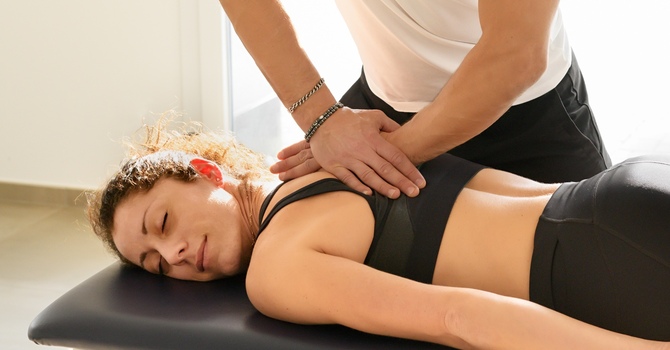
Manual therapy, such as joint mobilization or soft tissue techniques, helps calm irritated tissues and improve movement. It can quickly reduce pain and stiffness, making it easier to move comfortably again.
While hands-on care often provides fast relief, its biggest benefit is creating the right environment for other treatments to work better, especially exercise and shockwave therapy.
The Role of Shockwave Therapy
Shockwave therapy is especially effective for stubborn, long-standing tendon and muscle issues. It uses targeted sound waves to increase blood flow, break down scar tissue, and stimulate the body’s natural repair process.
Recent studies show that shockwave therapy works best when combined with active rehab rather than used on its own. By reducing pain and improving tissue quality, shockwave therapy helps people tolerate movement and exercise sooner - speeding up recovery.
Why Rehab Exercise Is the Key to Long-Term Results
Exercise is the foundation that makes results last. Rehab exercises rebuild strength, improve flexibility, and retrain proper movement patterns. This helps protect healing tissues and reduces the risk of future flare-ups.
When exercise is introduced at the right time and progressed gradually, it restores confidence in the body and helps patients return to daily activities, work, and sports safely.
This is a core reason why Holland Landing Health Centre offers East Gwillimbury Physiotherapy and Chiropractic and prioritizes personalized rehab programs as part of care.
Why the Combination Works So Well
When these three approaches are combined:
• Manual therapy reduces pain and stiffness
• Shockwave therapy accelerates tissue healing
• Rehab exercise builds strength and resilience
Each treatment supports the others, creating a smoother, more effective recovery process. Patients often notice faster improvement, fewer setbacks, and longer-lasting relief.
A Smarter Approach to Recovery
Combining rehab, shockwave, and manual therapy isn’t about doing more - it’s about doing what works best. This integrated approach respects how the body heals and adapts over time.
If you’re seeking care, this kind of comprehensive plan can help you move beyond short-term relief and toward real, lasting recovery.
Final Thoughts
Pain relief works best when treatments work together. By combining hands-on care, advanced technology, and targeted exercise, you give your body the best chance to heal, move better, and stay strong long term.