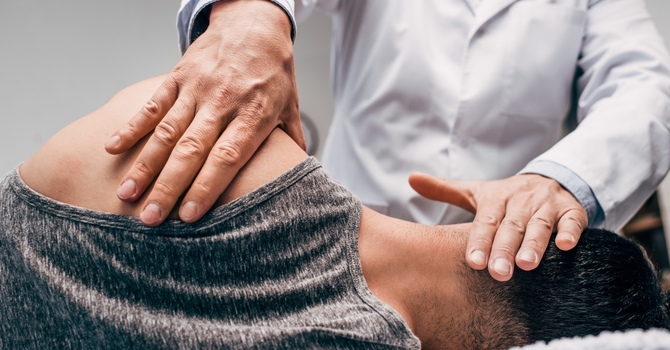
An Achilles tendon tear is one of the most significant injuries affecting active adults and athletes. Whether the injury is a partial tear or a complete rupture, proper rehabilitation is one of the biggest factors determining how well - and how safely - you recover. While rest is important during the early stages, evidence consistently shows that structured physiotherapy is essential for restoring strength, improving function, and reducing the risk of re-injury.
At Holland Landing Health Centre, our team providing East Gwillimbury physiotherapy works closely with patients recovering from Achilles tendon injuries to help them return to work, sport, and everyday activities with confidence.
The Achilles tendon is the largest and strongest tendon in the body, connecting the calf muscles to the heel bone. Despite its strength, it is subjected to tremendous forces during walking, running, and jumping. Following a tear, the tendon requires carefully guided loading to heal properly. Too little activity can lead to weakness and stiffness, while returning to activity too quickly can increase the risk of another tear.
Research over the past decade has significantly changed how Achilles injuries are managed. Early, progressive rehabilitation has been shown to improve tendon healing, restore mobility, and produce excellent long-term outcomes after both surgical and non-surgical treatment. Rather than prolonged immobilization alone, current clinical guidelines recommend a structured rehabilitation program that gradually restores range of motion, strength, balance, and functional movement.
One of the greatest benefits of physiotherapy is that rehabilitation is individualized. No two Achilles injuries are exactly alike, and recovery timelines vary depending on the severity of the tear, your age, overall health, activity level, and treatment approach. A physiotherapist continually monitors your progress and adjusts your program as healing occurs, ensuring that each stage of recovery is appropriate for your tendon.
Strengthening is particularly important. After an Achilles tear, the calf muscles can lose significant strength and endurance within just a few weeks. Progressive resistance exercises help restore the tendon's ability to tolerate load while rebuilding the muscles that support walking, climbing stairs, running, and jumping. Balance and proprioception exercises are also critical because they improve coordination and reduce the likelihood of future injury.
Perhaps the most overlooked aspect of recovery is preventing recurrence. Returning to activity simply because pain has improved does not necessarily mean the tendon has regained its full capacity. Research has shown that persistent weakness, reduced calf endurance, and altered movement patterns can remain long after symptoms have settled. Without completing a comprehensive rehabilitation program, these deficits may increase the risk of another Achilles injury or contribute to problems in the knee, hip, or opposite leg as the body compensates.
This is why completing your rehabilitation - not just treating the pain - is so important. At Holland Landing Health Centre, our East Gwillimbury physiotherapy team develops individualized treatment plans that may include manual therapy, progressive exercise rehabilitation, gait assessment, mobility training, education, and return-to-sport programming. Each stage is designed to help restore function safely while minimizing the risk of re-injury.
Recovering from an Achilles tear takes patience, but the long-term results are worth the investment. With evidence-based rehabilitation and guidance from an experienced physiotherapy team, most people can successfully return to the activities they enjoy while reducing the likelihood of future problems. If you're recovering from an Achilles injury, Holland Landing Health Centre's, East Gwillimbury physiotherapy team can provide the expertise and structured rehabilitation needed to help you move forward with confidence..